




- 1
- 2

Black Oak
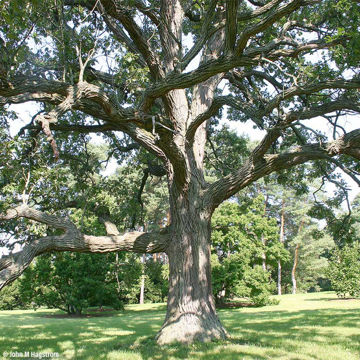
Bur Oak

Bur Oak Seedlings
The bur oak is a mighty sight to behold. A coarsely textured crown, wild and wooly acorns and a massive trunk with rough and deeply furrowed bark combine to make one impressive tree. Those characteristics helped this oak survive the elements of its wide-reaching natural range. In fact, the natural bur oak range is the northern- and western- most of all the eastern oak species.
- Offers dense shade
- Produces acorns that are popular with wildlife
- Is a long-lived tree
- Tolerates pollution and heat stress

Gatsby Moon® Oakleaf Hydrangea

Gatsby Pink® Oakleaf Hydrangea
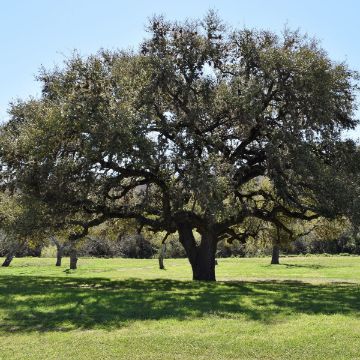
Live Oak

Northern Red Oak

Northern Red Oak Seedlings
The northern red oak has been called “one of the handsomest, cleanest, and stateliest trees in North America” by naturalist Joseph S. Illick, and it is widely considered a national treasure. It is valued for its versatility and hardiness in urban settings. This medium to large tree is also known for its brilliant fall color, great value to wildlife, and status as the state tree of New Jersey.
- Displays vibrant red fall color
- Is a fast-growing tree that offers great shade and works well as a street tree
- Tolerates pollution and compacted soil
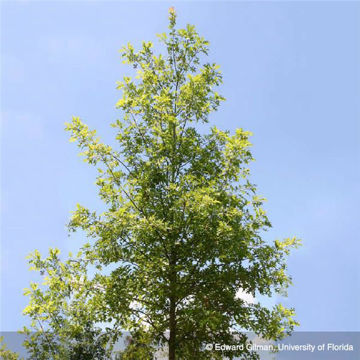
Nuttall Oak

Oakleaf™ Holly

Pin Oak

Pin Oak Seedlings
The pin oak is the type of tree that stands out from its neighbors. Its distinctive branching pattern sets it apart from other oaks. Homeowners and city foresters like this tree for many reasons: dense shade, tolerance of many soil conditions, heat, soil compaction and air pollution, pleasing to the eye in all seasons, and easy to plant. This fast-growing oak is common in yards, along streets, and throughout parks.
- Provides beautiful shades of russet, bronze, and red in the fall
- Grows quickly
- Has a distinctive branching pattern that sets it apart, especially in winter
- Offers dense shade
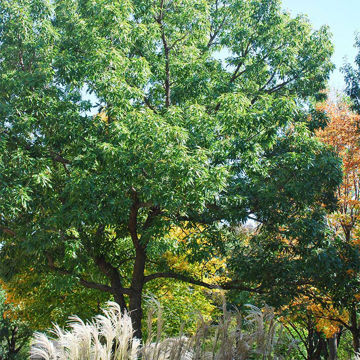
Sawtooth Oak
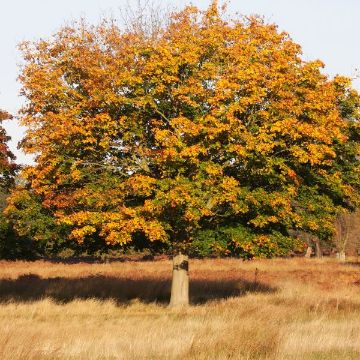
Scarlet Oak

Scarlet Oak Seedlings
Aptly named, the scarlet oak is a parade of red throughout the seasons. In the early spring, new leaves unfurl with a red hue. The vibrant red fall display is truly magnificent. And those red leaves often hang on through the first snow, giving winter a touch of much-needed color. The inner bark of the scarlet oak is even red.
- Displays vibrant scarlet red fall color
- Tolerates a wide range of soils
- Is a fast-growing oak
- 1
- 2
 Clear All
